×

The Standard e-Paper
Read Offline Anywhere
 The Standard Group Plc is a multi-media organization with investments in media
platforms spanning newspaper print operations, television, radio broadcasting,
digital and online services. The Standard Group is recognized as a leading
multi-media house in Kenya with a key influence in matters of national and
international interest.
The Standard Group Plc is a multi-media organization with investments in media
platforms spanning newspaper print operations, television, radio broadcasting,
digital and online services. The Standard Group is recognized as a leading
multi-media house in Kenya with a key influence in matters of national and
international interest.

Audio By Vocalize

Africa’s growing adoption of digital finance and emerging efforts to regulate virtual assets could put the continent on a different financial trajectory, with investors and technology entrepreneurs projecting that countries can bypass some traditional systems.
The debate is gaining momentum in Kenya as the country implements a new legal framework for digital assets, while blockchain and cryptocurrency proponents argue that mobile technology and a young population could accelerate the shift.
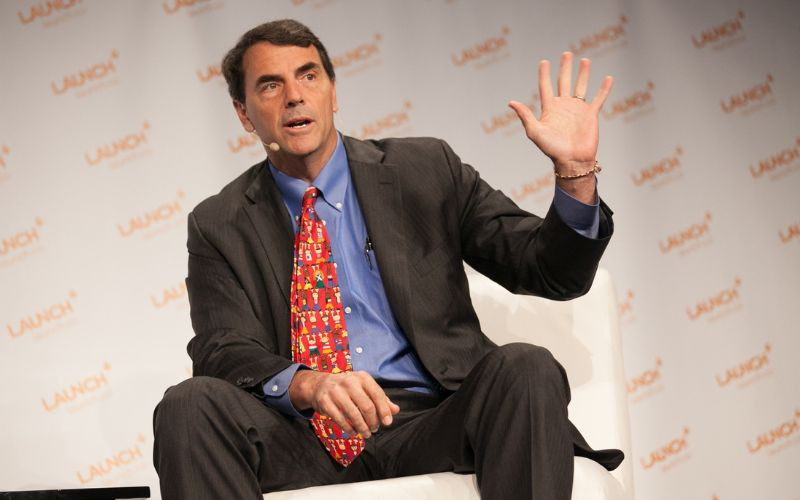
Among those making the case is billionaire venture capitalist Tim Draper, who says Africa could move directly from conventional currencies to digital assets such as Bitcoin.
“I think Africa can leapfrog the rest of the world by jumping from fiat currency to Bitcoin, and make all money in software before the rest of the world catches up,” Draper said.
Kenya is among the countries seeking to define how that transition will unfold, having introduced legislation to regulate virtual asset businesses as interest in cryptocurrencies and other digital assets grows.
Kenya’s Virtual Asset Service Providers Act, 2025 came into effect in November 2025, creating a legal framework for the licensing and regulation of virtual asset service providers. The Central Bank of Kenya and Capital Markets Authority have subsequently been involved in developing regulations to operationalize the framework.
Draper’s comments come as Nairobi prepares to host Africa Blockchain Festival 2026 from October 15 to 17. The festival will bring investors, founders, regulators, policymakers and technology companies to Nairobi under the theme “Capital, Code, and Continuity: Building Africa’s Permanent Digital Economy.”
Speaking with Africa Blockchain Festival founder Olubunmi Fabanwo ahead of the Nairobi gathering, Draper pointed to Africa’s historically large unbanked population and growing adoption of digital assets as examples of how technology can connect more people to the global financial system.
“I’m very excited about what Africa’s done. Africa’s been a big part of the Bitcoin economy,” Draper said. “A lot of those people were using Bitcoin to transact and be a part of the world economy.”
He argued that Africa’s combination of mobile technology, a young population and expanding digital infrastructure creates an opportunity for the continent to move quickly as financial systems evolve.
For Kenya, the discussion is particularly relevant. The country has spent years building one of Africa’s most recognized digital payments ecosystems, and its move toward dedicated virtual asset regulation signals an effort to bring emerging blockchain and cryptocurrency activity into a more defined regulatory structure.
The Virtual Asset Service Providers Act designates the Central Bank of Kenya and the Capital Markets Authority as the relevant regulators for different categories of virtual asset businesses. The framework covers areas including virtual asset wallets, payment processors, exchanges, brokers, investment advisers and certain virtual asset offerings.
Draper said policymakers should also consider applications for blockchain technology beyond cryptocurrency trading, including payments, business operations, financial reporting and record-keeping.
Fabanwo said the growing engagement between policymakers, investors and entrepreneurs is an important indication of how rapidly Africa’s blockchain ecosystem is developing.
Stay informed. Subscribe to our newsletter
“The core of it is trust and freedom,” said Fabanwo. “We’ve seen a lot of progress over the last three to five years, especially with African policymakers. As young people, we’re bursting with energy, we want things to happen as quickly as possible, and we’re excited about the future,” he said
Holding the Festival in Nairobi is intended to place those conversations directly within one of East Africa’s most active technology and financial markets.
The event will provide a platform for Kenyan founders and technology companies to engage with international investors while also giving regulators, policymakers and industry leaders an opportunity to discuss what will be required to build a sustainable digital asset economy.
Africa Blockchain Festival 2026 is designed around that connection between African innovation, international capital, technology, regulation and commercial opportunity.
For Kenya, hosting the Festival comes as the country moves from largely debating how virtual assets should be treated toward establishing the institutions and regulations that will shape how the sector develops.


Subscribe to our newsletter and stay updated on the latest developments and special offers!












 join
join