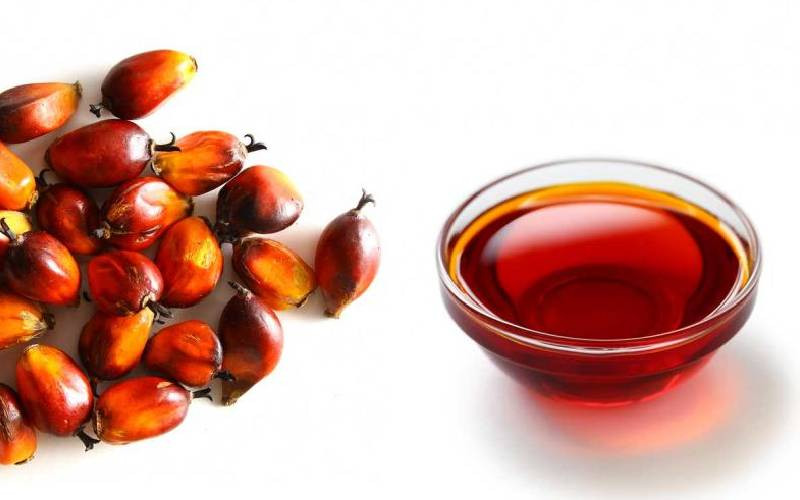
Kenyans are set to benefit from lower cooking oil prices after the High Court struck down the government’s decision to impose a 10 per cent import duty on crude palm oil.

In his ruling, Justice Bahati Mwamuye ruled the move unconstitutional, stating that the Executive cannot use the East African Community (EAC) framework to raise taxes on cooking oil and other household items without parliamentary approval and meaningful public participation.
“I declare that the decision of the Government of Kenya to suspend the zero per cent import duty on crude palm oil and impose a 10 per cent levy is unconstitutional, null and void,” Justice Mwamuye ordered.
He struck down the June 2024 decision by President William Ruto’s administration to raise the import duty on crude palm oil from zero to 10 per cent through the East African Community (EAC) Common External Tariff (CET), calling it a violation of the Constitution and a breach of citizens’ right to participate in taxation decisions.
“I declare that any decision by the Government to seek a stay or take any other related measure under the East African Community’s Common External Market without proper public participation and parliamentary scrutiny… is unconstitutional, null and void,” the judge ruled.
He also issued a prohibitory order barring the National Treasury, the EAC Ministry and the Kenya Revenue Authority (KRA) from implementing, enforcing, or giving effect in any way to the EAC Gazette Notice of June 30, 2024. The levy, introduced in July 2024 through an EAC Gazette, replaced a zero-rated duty and drove up edible oil prices.
Manufacturers said the cost of a 20-litre jerrycan of cooking oil rose from about Sh3,800 to Sh4,200 after the tax was imposed. They also reported higher prices for margarine and soap, with food items like chapati and bread affected by the increased cooking oil costs.
The petition was filed by the Consumers Federation of Kenya (COFEK), represented by officials Ephraim Kanake, Stephen Mutoro and Henry Ochieng.
They named as respondents the Cabinet Secretary for National Treasury and Planning, the Cabinet Secretary for East African Community, ASALS and Regional Development, the Attorney-General, the Kenya Revenue Authority (KRA) and the National Assembly.
At the centre of the dispute was the EAC Gazette of June 30, 2024, which directed Uganda and Kenya to suspend the zero-rated EAC CET on crude palm oil and apply a 10 per cent duty for one year, effective July 1, 2024.
COFEK argued that Kenya’s request to suspend the zero rate bypassed constitutionally mandated processes for parliamentary scrutiny and public participation.
In its pleadings, COFEK told the court that the imposition or variation of tax is a quintessential legislative function vested exclusively in Parliament pursuant to Articles 94(1), 209 and 210 of the Constitution. By seeking a stay of the zero per cent and thereby introducing a 10 per cent duty through EAC organs, the Executive, argued the consumers’ lobby, impermissibly usurped the legislative authority of parliament and violated the principle of separation of powers.
COFEK also claimed the levy directly affected the price of an essential food commodity and had been imposed without consulting the public. The National Treasury, EAC ministry and Attorney-General opposed the petition, insisting that the challenge was based on a fundamental misapprehension of the EAC legal framework.
Stay informed. Subscribe to our newsletter