×

The Standard e-Paper
Join Thousands Daily
 The Standard Group Plc is a
multi-media organization with investments in media platforms spanning newspaper
print operations, television, radio broadcasting, digital and online services. The
Standard Group is recognized as a leading multi-media house in Kenya with a key
influence in matters of national and international interest.
The Standard Group Plc is a
multi-media organization with investments in media platforms spanning newspaper
print operations, television, radio broadcasting, digital and online services. The
Standard Group is recognized as a leading multi-media house in Kenya with a key
influence in matters of national and international interest.

Audio By Vocalize
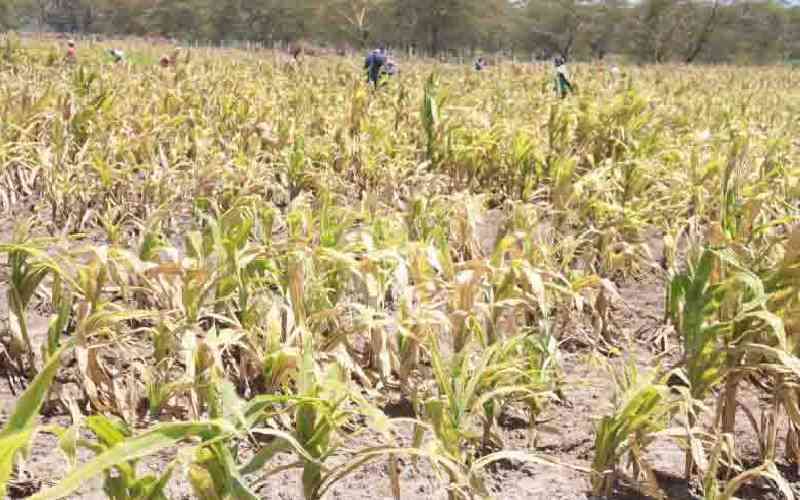
Kenya is staring at an impending severe food security crisis. Across key breadbasket regions in the Rift Valley and Western Kenya, the long rains either failed outright or proved dangerously erratic, which has negatively impacted primary crop yields.
Compounded by Fall Armyworm infestations in some counties, earlier official projections of a bumper harvest have dissolved into an alarming widespread crop failure. To make matters worse, the meteorological department warns of an impending, high-intensity El Niño season between October and December. Dubbed a "Super El Niño”, these predicted torrential rains threaten to trigger massive flooding, mudslides, and severe infrastructure destruction, wiping out what little remains in our fields.
Yet, at a time when our national focus should be fixed on agricultural survival, public attention is dangerously divided as political temperatures rise in anticipation of campaigns for the August 2027 General Election. As the country gets deep into an intense political campaign period, far too many citizens are likely to abandon their daily economic and farming activities just to chase quick handouts from politicians. Conveniently forgotten is the fact that fleeting political handouts cannot sustain a family when food prices surge and markets run completely dry. Citizens should not lose sight of the reality that hunger recognises no political parties, and political grandstanding will not fill empty granaries.
Averting a national catastrophe calls for not just immediate, but also deliberate action at both the individual and state levels. First, Kenyan households must urgently stop food wastage and handle available food stocks with extreme frugality. Every single grain preserved today matters for tomorrow.
Second, targeted support must reach smallholder farmers to safeguard the harvests already in their stores. Significant volumes of grain currently sit in vulnerable private farm storage, unpurchased by the National Cereals and Produce Board (NCPB). Without state assistance in post-harvest handling, proper drying equipment, and hermetic storage systems, these precious reserves risk rotting or being destroyed by pests once the heavy El Niño rains arrive.
To truly protect our domestic food security, the government must also ensure farmers receive fair, viable prices for their cereals. Relying heavily on emergency duty-free imports or releasing strategic reserves without directly supporting local grain producers is short-sighted. Buying local grain at competitive prices injects critical cash flow back into struggling rural communities, thus encouraging farmers to remain on their land despite sustained climate shocks.
The national government must ensure that strategic food stocks do not run out at the most critical moment. While activating the National El Niño Contingency Plan, converting failed crops to animal feed, and purchasing unsold rice stocks are commendable steps, administrative plans mean nothing without swift execution on the ground.
Drainages must be cleared, riverbanks reinforced, and emergency storage facilities secured. Extreme caution and discipline must be exercised across the country. If Kenya prioritises political distractions over immediate agricultural preservation today, the nation will pay the price in severe, widespread hunger tomorrow.







Subscribe to our newsletter and stay updated on the latest developments and special offers!








 join
join