×

The Standard e-Paper
Smart Minds Choose Us
 The Standard Group Plc is a
multi-media organization with investments in media platforms spanning newspaper
print operations, television, radio broadcasting, digital and online services. The
Standard Group is recognized as a leading multi-media house in Kenya with a key
influence in matters of national and international interest.
The Standard Group Plc is a
multi-media organization with investments in media platforms spanning newspaper
print operations, television, radio broadcasting, digital and online services. The
Standard Group is recognized as a leading multi-media house in Kenya with a key
influence in matters of national and international interest.

Audio By Vocalize
The government is moving to divert rising waters from Lake Baringo into a large-scale irrigation scheme, turning a lake that has flooded surrounding communities into a potential source of farmland for tens of thousands of acres.
The plan would see engineers build a dyke to stop saline water from neighbouring Lake Bogoria mixing with Lake Baringo's fresh water, then channel the excess through tunnels and canals to irrigate about 100,000 acres in Baringo and potentially Turkana counties.
Officials have pitched the project under a private-sector investment model, projecting close to Sh40 billion in economic value for the region.
Lake Baringo's water level has risen by 12 to 14 metres over the past 15 years, adding roughly two billion cubic metres of water and expanding the lake's surface area from 108 to about 130 square kilometres, according to earlier government briefings.
The swelling has fuelled fears the freshwater lake could merge with Lake Bogoria, a scenario experts warn could trigger an ecological disaster.
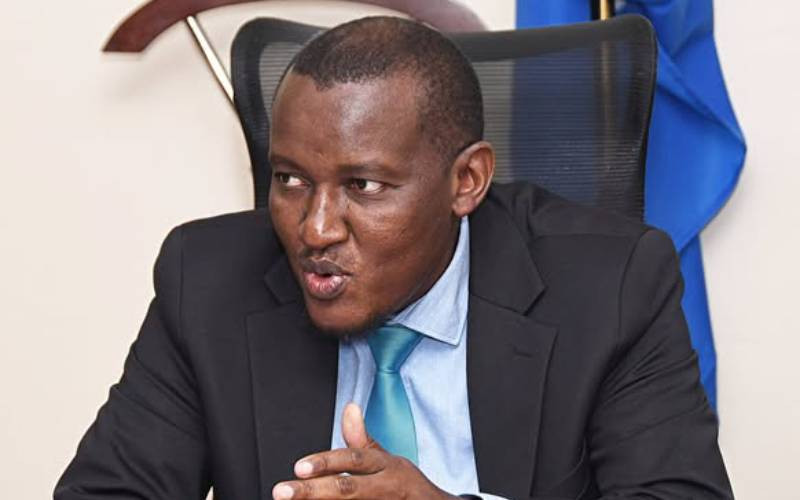
Irrigation Principal Secretary Ephantus Kimotho hosted his Defence counterpart Patrick Mariru at the Ministry of Irrigation headquarters for a follow-up meeting on the project, according to a statement from the State Department for Irrigation.
The talks build on months of joint site visits and technical assessments the two departments have carried out to determine how the excess water could be evacuated and redirected to farmland.
The State Department for Irrigation is leading work to define the irrigation component, including identifying command areas, calculating water requirements and assessing which crops the scheme could support, the department said.
President William Ruto has directed the two departments to work with other government agencies to find a lasting solution to the rising lake levels, Mariru has said in earlier remarks.
Tiaty MP William Kamket, whose constituency sits closest to the affected lakes, has backed the intervention.
Officials say the next phase hinges on mobilising resources for feasibility studies, hydrological and environmental assessments and engineering designs.
The department said it would continue engaging national agencies, development partners and private investors to move the project from assessment to implementation.




Subscribe to our newsletter and stay updated on the latest developments and special offers!







 join
join