
 The Standard Group Plc is a multi-media organization with investments in media
platforms spanning newspaper print
operations, television, radio broadcasting, digital and online services. The
Standard Group is recognized as a
leading multi-media house in Kenya with a key influence in matters of national
and international interest.
The Standard Group Plc is a multi-media organization with investments in media
platforms spanning newspaper print
operations, television, radio broadcasting, digital and online services. The
Standard Group is recognized as a
leading multi-media house in Kenya with a key influence in matters of national
and international interest.


At least 102 people have been detected for cancer out of 1,172 residents who attended a screening in West Pokot County, health officials have revealed.
Those diagnosed are suffering from cervical, breast, and prostate cancers.
The screening exercise, conducted at the West Pokot County Referral Hospital in partnership with the National Cancer Institute of Kenya (NCIK) and the AMPATH programme, forms part of cancer screening activities and ongoing county-wide health campaigns.
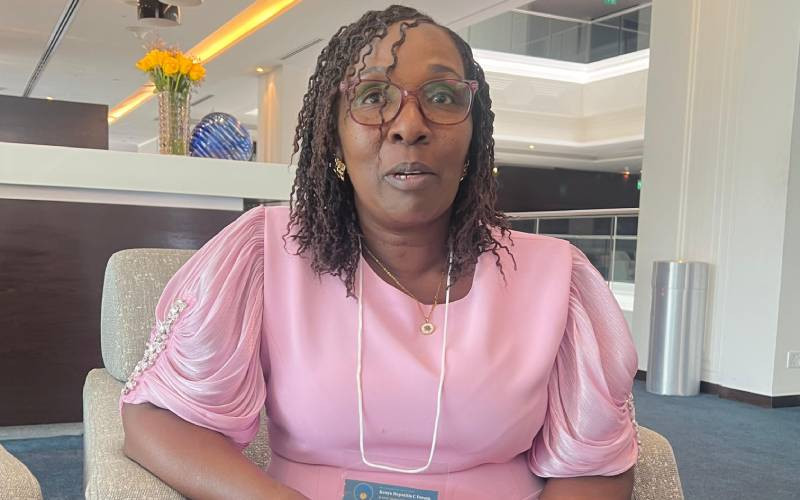
According to Claire Parklea, the County Executive Committee Member (CECM) in charge of Health, the turnout exceeded expectations, describing it as a breakthrough in community acceptance of early cancer detection.
"For the first time, we have witnessed such a strong response from our communities. A total of 1,172 residents have already been screened, with 102 testing positive. This shows people are now willing to know their health status," said Parklea.
She added that the county has intensified community sensitisation and medical outreach programs, including camps that began in early January and will continue into next week, alongside a major cancer screening exercise running from Monday to Friday.
Parklea noted that men in West Pokot had shown remarkable participation, unlike in many other counties where male turnout remains low.
"Men in West Pokot have come out in large numbers for screening. This sets a positive example and challenges other counties to step up," she said.
- Palliative care in Bungoma: why addressing the pain as one battles chronic disease is important
- When cancer screening comes to the doorstep: Kisumu's new battle to prevent avoidable deaths
- HPV vaccination: Protecting girls today from cervical cancer tomorrow
Keep Reading
Chrisantus Wekesa from the National Cancer Institute of Kenya said assessments conducted last year revealed that West Pokot was lagging in cancer response, prompting stakeholders to launch a comprehensive cancer control programme in 2026.
"Global cancer statistics show that many patients are diagnosed when the disease is already advanced. That is why deaths remain high. Cancer is treatable if detected early," Wekesa explained.
He said awareness in West Pokot has significantly improved, with women and adults aged 40 and above increasingly seeking screening services. The county has also screened over 5,000 girls for HPV, a key intervention in preventing cervical cancer.
"This shows progress. If other countries adopt this model, we will move forward as a country in fighting cancer," he added.
Wekesa further highlighted the government's SHA health package, which provides up to Sh800,000 for cancer treatment, warning that late diagnosis often leads patients to exhaust their cover quickly.
"When people come to stage three or four, treatment becomes complicated and expensive. Many end up saying their SHA cover is already depleted. Early screening saves lives and reduces costs," he said.
AMPATH representative Samson Ndege said the programme integrates HIV care with screening for chronic diseases such as cancer, hypertension, and diabetes, noting that people living with HIV face a higher risk.
"Our approach is integrated care. When someone comes for HIV services, we also check for cancer, high blood pressure, and diabetes. Screening does not mean you have cancer; it helps detect it early, when treatment is easier," said Ndege.
He emphasised that cancers such as cervical, breast, and prostate are highly treatable if discovered early, urging residents not to wait until symptoms worsen.
"We encourage wananchi to come out early, get screened, and know their status. Early diagnosis allows timely treatment and prevents complications later," he said.
Officials thanked development partners and the West Pokot County Government for their support of the initiative, confirming that the programme will continue.
Residents were urged to take advantage of ongoing screening services as the county intensifies efforts to eliminate cancer and other chronic diseases.









 join
join