
 The Standard Group Plc is a multi-media organization with investments in media
platforms spanning newspaper print
operations, television, radio broadcasting, digital and online services. The
Standard Group is recognized as a
leading multi-media house in Kenya with a key influence in matters of national
and international interest.
The Standard Group Plc is a multi-media organization with investments in media
platforms spanning newspaper print
operations, television, radio broadcasting, digital and online services. The
Standard Group is recognized as a
leading multi-media house in Kenya with a key influence in matters of national
and international interest.


Climate change is rapidly emerging as a major driver of disease in Africa, it has emerged.Health experts are warning of rising cases of cardiovascular illnesses, chronic kidney disease, and poor maternal and newborn health outcomes.In the past, chronic kidney disease had been associated with conditions such as diabetes and hypertension.However, health experts are observing a growing shift, with more young and otherwise healthy individuals, particularly those working in high-heat environments, developing kidney complications.Speaking during the World Health Summit Regional Meeting 2026, scientists said prolonged exposure to extreme heat is now a suspected contributor to kidney damage.Dr Jack Kileba, a medical governance and excellence lead in Sub-Saharan Africa, said that, unlike in the past, the rate of individuals in need of dialysis and kidney transplant is on the rise because of climate change.
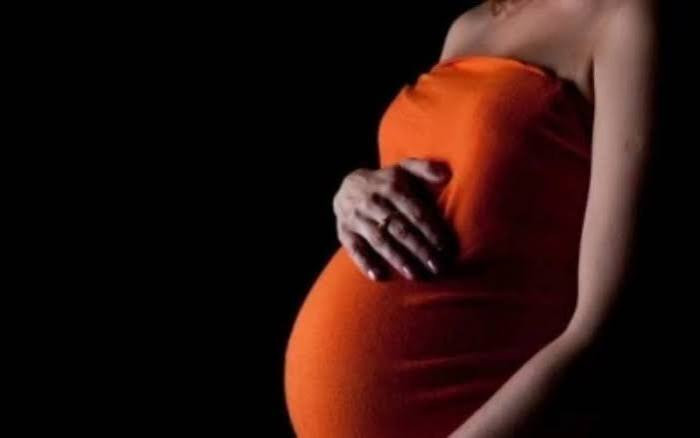
"We are witnessing so many patients on the continent who require dialysis and kidney transplant because of kidney failures," said Kileba.Experts also warned that increased temperatures across the continent are contributing to adverse pregnancy complications.This includes preterm births, stillbirths, low birth weight, congenital conditions in newborns, and maternal deaths."Pregnant women are losing their unborn babies, and giving birth to small babies, including those with low weights, because of climate shocks," said Kileba.According to Kileba, for every single degree rise in temperature, Kenya and the continent document a preterm birth rise by four per cent, and in cases of heat waves, the evidence rises by 26 per cent.According to the first-ever Africa’s stillborn report, titled State of Africa’s Stillbirths, a baby is stillborn on the continent every 30 seconds.
Globally, an estimated 1.9 million late-gestation stillbirths were recorded in 2023. Of these, nearly one million occurred in Africa.
Three-quarters of the stillbirths recorded in 2023 occurred in Western and Eastern Africa, with more than half concentrated in a handful of countries, including Nigeria, the Democratic Republic of Congo (DRC), Tanzania, and Sudan.
Kenya records 15 maternal and 92 newborn deaths each day.
Kenya is among the countries highly hit by climate shocks, with most countries in East Africa reporting more of floods, West Africa suffers a mixed situation, while South Africa suffers drought.
For example, in the recent past, Kenya experienced adverse flooding, killing tens of people in addition to putting pressure on health facilities across the country.It is documented that women and girls in climate-affected regions are up to 14 times more likely to face disruptions in access to essential health services, including family planning.Ouma Onyango, Global Senior Advisor, Products at Pathfinder International, noted that, for instance, supply chain breakdowns during climate-related crises have made it difficult to deliver contraceptives to communities, leading to unintended pregnancies, school dropouts among adolescent girls, and early marriages."Women of reproductive age lose access to services as a result of climate change.
For example, whenever there is flooding and drought, families are forced to migrate for safety and food, making some to miss out on healthcare like hospital deliveries, an issue that results in deaths,” said Onyango.
- Experts raise alarm over rising NCD cases linked to poor diet
- One in four Kenyans likely to suffer mental health condition
- No Pay, no work: Isiolo doctors extend strike
- Balancing benefits and risks in every fish purchase decision
Keep Reading
Onyango added that outdoor workers are also increasingly at risk, according to experts. Climate change is also worsening food insecurity and malnutrition.For example, smallholder farmers are facing unpredictable weather patterns, increased pest infestations, and changing weed dynamics, all of which are affecting crop yields and food quality.To address this, experts are calling for the adoption of climate-resilient crops and innovative agricultural practices to cushion vulnerable communities.Health systems across Africa are struggling to keep up.
There are growing calls to strengthen early detection and response mechanisms, equip healthcare workers with the necessary skills, and improve risk communication to communities.Despite the clear links between climate and health, coordination remains weak.
Climate and health ministries often operate in silos, with separate budgets and limited collaboration.
Globally, only about five per cent of climate financing is allocated to health, even though a significant share of climate impacts manifests as health challenges.“Experts are now urging governments to integrate health into climate policies and financing frameworks, while also involving affected communities in decision-making,” said Onyango.As climate shocks intensify, the message is clear: addressing climate change is no longer just an environmental priority, but a critical public health imperative.
Additionally, experts raised an issue that rapid urbanisation and poor planning are exposing communities to growing health risks linked to climate change.African Population and Health Research Centre (APHRC), representative Dr Elizabeth Kimani said cities are increasingly becoming concreted spaces, with rising temperatures driven by the urban heat island effect.“As cities expand, we are losing vegetation. This not only increases heat but also raises the vulnerability of communities to flooding,” she said.Kimani explained that the disappearance of green spaces has reduced the land’s ability to absorb water during heavy rains, worsening floods and exposing residents to health risks.She gave examples of cities like Ngong and Kiambu in Kenya, which were once known for their cool climate and natural vegetation, but are now rapidly being overtaken by unplanned developments.“These areas used to regulate temperatures naturally, but with increased construction, we are seeing significant environmental changes that directly affect people’s health,” said Kimani.She emphasised the need for deliberate urban planning that prioritises people, ecology, and the environment.“We need organised development. Governments must ensure planning that is mindful of both people and the ecosystem, and guarantees a clean and healthy environment,” she said.Scientific evidence, according to Kimani, must be translated into actionable policy to guide decision-makers on the urgency of climate action.“At APHRC, we are generating evidence on the health impacts of climate change, including the cost of action versus the cost of inaction,” she said.Beyond research, the organisation is also working closely with communities to ensure climate information is accessible and actionable.“We are using tools such as animations and translating information into local languages so that communities can better understand and respond to climate risks,” she said.Further, she noted that partnerships with community-based organisations are key to driving grassroots action and building resilience.“We work with community groups as partners because they are at the centre of both the problem and the solution,” she added.










 join
join