×

The Standard e-Paper
Stay Informed, Even Offline
 The Standard Group Plc is a
multi-media organization with investments in media platforms spanning newspaper
print operations, television, radio broadcasting, digital and online services. The
Standard Group is recognized as a leading multi-media house in Kenya with a key
influence in matters of national and international interest.
The Standard Group Plc is a
multi-media organization with investments in media platforms spanning newspaper
print operations, television, radio broadcasting, digital and online services. The
Standard Group is recognized as a leading multi-media house in Kenya with a key
influence in matters of national and international interest.

Audio By Vocalize
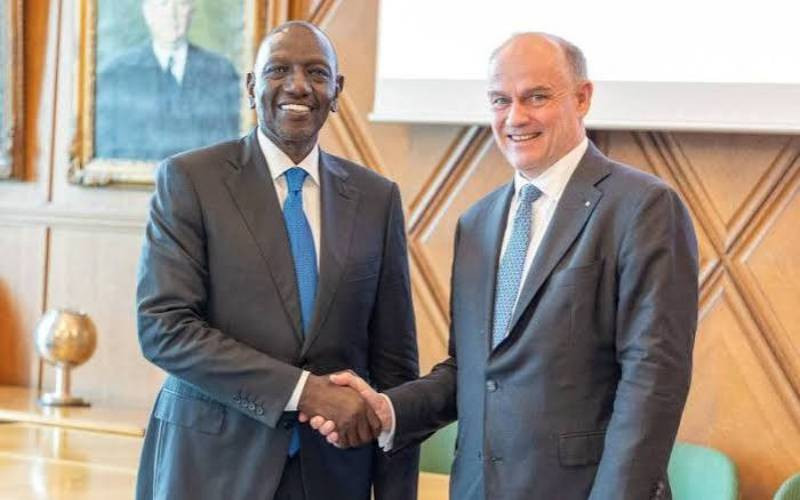
Kenya’s new Sovereign Wealth Fund may eventually accumulate billions of shillings. But the most important question will not be where the money is invested. It will be who is entrusted to govern it.
The Sovereign Wealth Fund Act, 2026 (which took effect on July 24) sets up three main pillars: A Stabilisation Fund, a Strategic Investment Fund, and a Future Generations Fund. The fund will be financed primarily from petroleum and mining revenues, together with other approved sources. This is an important step towards converting natural resources into long-term national wealth. But the law is only the beginning. Its success will depend ultimately on the institution entrusted with managing that wealth.
Under the Act, leadership falls to a board made up of a presidentially appointed chairperson, three Principal secretaries (or their representatives), four competitively recruited non-public officers, and a non-voting CEO.
Government representation isn't inherently bad. Because the Fund holds public wealth, the government should have a legitimate role in its oversight. But the real test is whether the board will have sufficient independence, expertise, integrity and courage to resist undue influence from any quarter - including the government that appoints some of its members - when the long-term interests of the fund demand it. This is precisely why Kenyans should pay attention to the appointments.
This first board sets the tone. They will establish how strictly investments get vetted, how conflicts of interest are handled, and how firmly political pressure is resisted. Future boards will inherit not only its assets, but also its institutional culture.
Malaysia’s 1MDB scandal provides a glaring reality check. Launched in 2009 under Prime Minister Najib Razak, 1MDB collapsed less than six years later, with over $4 billion diverted or stolen. The lesson is not simply that corruption is dangerous. It is that formal governance structures, however good on paper, are rendered useless if those responsible for enforcing them cannot exercise effective oversight. In 1MBD’s case, key decisions required the approval of Prime Minister Razak, who concurrently chaired the Fund's Advisory Board and also served as Minister of Finance. Management was also accused of bypassing the board, and a shadowy individual named Jho Low exercised extraordinary influence over the fund, despite holding no formal position.
Kenya must therefore ask not only whether its fund has adequate checks, but whether its board will have the independence and courage to enforce them.
Botswana shows the opposite side of the coin. Established in 1994 to reinvest diamond revenue, its Pula Fund has succeeded because of disciplined, shielded stewardship. The lesson is clear: A sovereign wealth fund is only as strong as the integrity of the institution running it.
Kenya should therefore treat the appointment of the inaugural board as a matter of national importance. The competitively appointed members, in particular, should bring proven expertise in investment, finance, economics, risk and corporate governance. Conflicts of interest should be rigorously scrutinised, and board members should be capable of asking difficult questions - even when those questions are politically troublesome.
Minerals and oil run out eventually. Once they're dug up, they're gone. All that remains is the funds derived from them, and the opportunities that were either preserved or squandered.
The billions will almost certainly come. The question is whether Kenya will have the right guardians when they do.
The writer is a published author and co-founder of Eagles Leadership Network (ELN).

Subscribe to our newsletter and stay updated on the latest developments and special offers!







 join
join