
 The Standard Group Plc is a multi-media organization with investments in media
platforms spanning newspaper print
operations, television, radio broadcasting, digital and online services. The
Standard Group is recognized as a
leading multi-media house in Kenya with a key influence in matters of national
and international interest.
The Standard Group Plc is a multi-media organization with investments in media
platforms spanning newspaper print
operations, television, radio broadcasting, digital and online services. The
Standard Group is recognized as a
leading multi-media house in Kenya with a key influence in matters of national
and international interest.

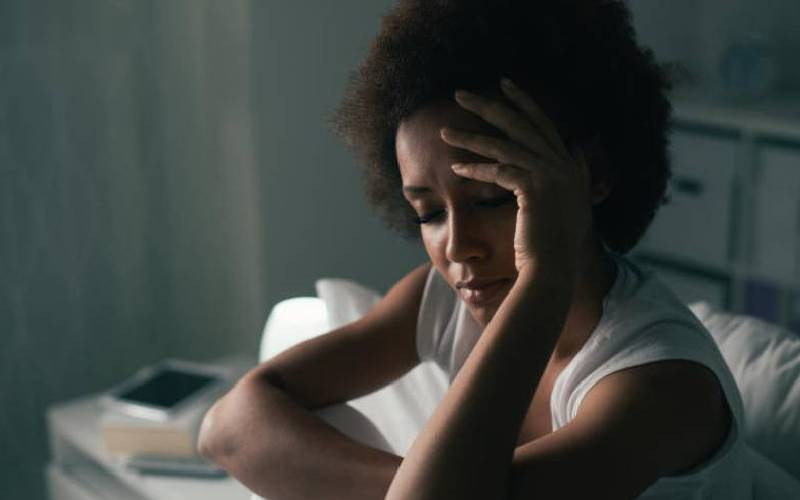
For years, silence meant more than the absence of sound for many older members of the deaf community in Kisumu. It became a symbol of loneliness, fading friendships, and growing isolation. As the years went by, some found themselves slowly losing touch with the sign language that had once connected them to the world around them, leaving many vulnerable to emotional distress and declining mental well-being.
But in the face of these challenges, the community began searching for a space where they could reconnect and restore a sense of belonging. They found that space on the football pitch.
It is a cool weekend mid-morning at Kisumu National Polytechnic. The usually quiet grounds have come alive with energy as players in sports kits move across the field warming up and preparing for their matches. Some are busy sharpening their skills ahead of the games, while others gather in small groups, communicating through sign language and catching up on life.
The tournament brought together deaf football teams from Kisumu, Kakamega and Nairobi, specifically targeting people aged 40 years and above. While the matches were competitive, the real goal was to promote mental well-being by reducing loneliness and reminding older deaf persons that they are not alone.
For many participants, it was the first time in years they had interacted with former schoolmates and other members of the deaf community, but others they had met on various grounds for soccer.
I met with Bernard Ochieng, a deaf person- one of the organisers and a player too- who explains the tournament was born out of concern for the growing number of older deaf people living in social isolation.
"Many older deaf people remain at home because they rarely have opportunities to meet others like themselves. Some even begin to lose fluency in sign language because they no longer have anyone to communicate with regularly," Ochieng says through a sign language interpreter.
According to him, prolonged isolation not only weakens social relationships but also affects emotional and mental well-being.
- Break free from anxiety's grip: Face your fears and train your brain to feel calmer
- She fled trauma, now fights to save children living it
- One in four Kenyans likely to suffer mental health condition
- Experts call for more funding to tackle mental health crisis
Keep Reading
"When they finally meet again, they reconnect with former schoolmates and friends. They interact, share experiences and rebuild a sense of community. That social interaction is important because it reduces stress, restores confidence and lowers the risk of mental health problems. We want these activities to continue regularly so that older members of the deaf community always have a place where they feel they belong."
The organisers deliberately focused on people aged 40 years and above because they believe older members of the deaf community are among the most neglected in society and they don't get involved in any matter. Many retire from active community life and gradually become isolated, thus increasing their vulnerability to stress, anxiety, and other mental health challenges.
George Baraza, a member of the Deaf Football Association whose team travelled from Kakamega, said football has become an effective way of bringing older deaf people together while improving both their physical and mental health. In Kisumu, they say it's a safe space for them to reconnect.
"We encourage all older deaf people to participate because it helps reduce stress and improves their health. As young people grow older, they also need encouragement to remain active instead of becoming isolated," he says.
According to Baraza, the greatest victory is not scored on the pitch but in the friendships rekindled through the game.
"Every time they come together, they strengthen old friendships and make new ones. They interact freely, encourage one another and realise they are not alone. Football gives them a sense of belonging and acceptance."
Beyond the matches themselves, the organisers hope the initiative will eventually attract government recognition and support.
Ochieng says the tournament is currently being organised using limited community resources, primarily to demonstrate that such programmes can positively improve the lives of older deaf people.
He adds that the community is seeking recognition, technical support, training opportunities and funding to enable more deaf people to participate in organised sports.
"The government should ensure that the deaf community is fully included in sports programmes just like everyone else. With adequate support, we can organise more tournaments, reach more people and improve their quality of life."
For Paul Asika, the deaf organiser behind the initiative, the vision goes beyond football.
He said the idea came after observing that many older deaf people spent years confined to their homes with few opportunities to interact with others who share their language and experiences.
"Many of them stay at home for long periods without anyone to communicate with. As people grow older, isolation becomes even more difficult. We wanted to bring them together so they could interact, enjoy themselves and improve their health," he says.
Asika believes regular tournaments can restore confidence, strengthen friendships and inspire more deaf people to remain active as they age.
"If we receive adequate support from the government and other partners, we can organise larger competitions, improve training and even prepare teams to participate in international tournaments for older deaf athletes. Our dream is to see this initiative grow and benefit many more people."
For Bernard Onyango, a Kisumu-based researcher and sign language interpreter, the initiative is a reminder of the important link between communication, inclusion and mental well-being among deaf people. Onyango says he is conducting research aimed at developing proposals that can help health facilities improve access to services for deaf patients, including providing sign language interpretation and materials that enable healthcare workers to communicate effectively with them.
According to Onyango, one of the biggest challenges affecting the mental health of deaf people is the communication barrier, which often limits their ability to interact freely with the wider community and participate in activities that bring people together.
“The communication barrier is the first thing affecting the mental well-being of deaf people. Sometimes even when they want to join teams and participate in different activities, it becomes difficult because they cannot interact freely with the hearing community,” he says.
He explains that this barrier often pushes many deaf people into isolation, making it difficult for them to share their experiences, seek emotional support, or express challenges they are facing.
“When someone is isolated and going through something, they may not have someone to talk to because of the language barrier. Even within families, some deaf people struggle because their relatives do not understand sign language. They end up dealing with their problems alone, which can cause emotional stress,” Onyango says.
However, Onyango believes activities such as football tournaments provide an opportunity for deaf people to rebuild connections, gain confidence and feel accepted by society.
“Through such interactions, they feel that people believe in them. They realise that being deaf does not stop them from participating or showing their abilities. They feel valued and part of the community,” he says.
He adds that although stigma still exists, it is often driven by lack of understanding and communication rather than deliberate discrimination.
“Sometimes a deaf person may go to church or a public place and sit alone because there is no interpreter or someone to communicate with them. They feel isolated, but it is not always because people want to exclude them; it is because of the language barrier,” Onyango says.
For the organisers, however, the scorelines mattered far less than the smiles that returned to faces long hidden behind years of silence and isolation.
Officiating the matches presented a unique learning experience for referee Emmanuel Osore, a Kenya National Super League (NSL) referee registered by the Kenya Football Federation. Unlike conventional football, deaf football requires referees to communicate visually, making officiating both technical and demanding.
Osore explained that while the Laws of the Game remain the same, referees must rely heavily on flags and visual signals because players cannot hear the whistle.
"In deaf football, the referee must communicate through both the whistle and the flag. Ideally, the centre referee and both assistant referees should all have flags to ensure players clearly understand every decision," he explains.
Although he has previously officiated deaf football as a fourth official, Osore said taking charge as the centre referee required him to adapt quickly to the unique communication demands of the game.
"The technical aspect is different because players need visual communication. Sometimes they approach you wanting to know why play has stopped. If you are not conversant with sign language, explaining your decision becomes difficult. It shows how important sign language is, even for referees officiating these matches."
While football provided participants with an opportunity to reconnect socially, mental health experts say the sport offers much deeper psychological benefits.
Kisumu-based clinical psychologist Sheila Mokeira explains that physical activity naturally improves emotional well-being by stimulating the release of endorphins, often referred to as the body's "feel-good" hormones.
"Exercise releases endorphins, which help the body relax and improve mood. That is one of the reasons physical activity is strongly associated with better mental health," she says.
However, she noted that the greatest benefit witnessed during the tournament extended beyond exercise itself.
"The biggest strength of this event is the sense of community it creates. Everyone here shares similar experiences. They understand the stigma, the communication barriers, and the daily challenges that come with being deaf. That shared understanding creates a safe environment where people feel accepted."
According to Mokeira, many people with disabilities experience loneliness because they often lack spaces where they can freely express themselves without fear of judgement.
"When people come together with others who have similar experiences, they realise they are not alone. They exchange coping strategies, encourage one another and learn healthier ways of dealing with difficult situations."
She explained that participants also learn practical coping mechanisms from one another. "Someone may explain how they deal with discrimination or how they respond when people laugh at them. Others learn from those experiences and develop healthier ways of coping. That kind of peer support is extremely powerful because it comes from people who genuinely understand what they are going through."
The psychologist observed that although awareness of mental health has improved in recent years, many persons with disabilities continue to face significant barriers to accessing mental health support.
"In Kisumu, the situation is improving, but we are not where we should be. Many public spaces are still not fully accessible, and society often overlooks the emotional well-being of persons with disabilities."
She said many people mistakenly assume disability is purely a physical condition, forgetting that emotional well-being is equally important.
"People with disabilities have the same emotional needs as everyone else, yet they often lack safe spaces where they can openly share their experiences. Events like this football tournament provide exactly that kind of environment."
Recognising mental health challenges within the deaf community can also be difficult because communication barriers often mask emotional distress.
Mokeira said some of the warning signs remain similar regardless of disability.
"You may notice someone withdrawing from people they normally spend time with. Others become unusually irritable or aggressive. Changes in appetite and sleeping patterns are also common warning signs. These are indicators that someone may be struggling emotionally and may require support."
Her observations are supported by both Kenyan and international data showing that persons with disabilities experience significantly higher rates of mental distress than the general population.
According to the United States Centers for Disease Control and Prevention (CDC), adults with disabilities experience frequent mental distress nearly five times more often than adults without disabilities. Approximately 32.9 per cent of adults with disabilities report recurrent mental distress, compared to 7.2 per cent of adults without disabilities.
Research also shows that nearly half of people living with long-term disabilities or chronic physical health conditions experience mental health problems, with depression occurring at rates two to three times higher than among the general population.
In Kenya, the 2019 Population and Housing Census estimated that about 0.9 million people live with some form of disability. National mental health data further indicate that one in every four Kenyans will experience a mental health condition during their lifetime, while mental disorders remain the second leading cause of disability among young people aged between 10 and 24 years.
The challenge is even greater within healthcare settings, where experts estimate that 25 per cent of outpatient clients and 40 per cent of inpatients experience mental health conditions, many of which remain undiagnosed because of low detection rates among healthcare workers.









 join
join